
The Gate We Walk Through
Notes from my table on beauty as a gate, and the women who taught me to walk through

🧵 From My Table
I’m writing from the place where my day actually happens. The place where I rinse a cup, answer a message, touch a stem, and feel my body decide what is true before my mind catches up. Outside my window, the world keeps turning, and the headlines keep their noise, and somewhere inside all that noise, women keep walking forward anyway. I can feel that forwardness in my own life right now. At times, it feels dramatic. But mostly, it’s steady. It’s the kind of steadiness that shows up after you have been rearranged by time, love, loss, and by the slow burn of what you can no longer pretend is fine.
Today’s thread carries:
the passage I have walked in my Second Bloom, and the longer passage women have carried through history, toward a liberation that can be lived in the body and held in community.
The gate in my own life
There are seasons when a woman realizes she has been living with her shoulders slightly lifted, as if bracing for impact. She might not know when it started. She only knows she has been doing it for a long time. My own gate arrived in that kind of quiet way. It did not announce itself with fireworks. It arrived through a refusal. My body refused to keep swallowing what it already knew.
This past Fall, a boundary was crossed by someone from my inner circle. It was not the first time I had been asked to absorb a little more than I should, to soften what was sharp, and to make room for someone else’s comfort. It was, however, a moment when my body made a decision faster than my old training could negotiate. I felt heat rise in my chest, and my jaw tighten. I felt my feet want to move, as if the truth needed an exit ramp through muscle and breath.
In this season I don’t argue with my body when it speaks. I moved to let the truth move through. I stretched until my spine felt like it belonged to me again. Tears came and I didn’t make them explain themselves. I walked the way you walk when you’re reclaiming your day. Later I put my hands in the soil, still cold with late winter, still generous in its steadiness. The earth doesn’t require a defense.

That is how the gate works for me now. It shows up as a moment when the old habit of shrinking no longer fits. It shows up as the body insisting on dignity. And it shows up as a question I can’t avoid: if I keep living as if my life is a side room, what will I be teaching the women who come after me?
The Cosmic Mother, close enough to touch
The Cosmic Mother has met me in ordinary places. I’ve felt her in the exact moment a woman stops bargaining with her own intuition. In the way grief moves through the ribs and then, strangely, makes room for breath again. I’ve felt her as a wide intelligence that doesn’t flatter me, doesn’t shame me, and doesn’t leave when I’m furious.
She doesn’t only nurture. She protects. She draws lines. She turns a woman toward what is real, even when what is real is inconvenient. She is the part of the universe that refuses to let life be wasted on performance.
Sometimes she arrives through timing. I will be on the verge of doing what I used to do—explaining, apologizing, smoothing things over—and then something interrupts. A sudden fatigue. A sharp clarity. A rose in a grocery store that I did not plan to buy, reaching its scent into my day like a hand on my wrist. A dream that leaves me with one sentence when I wake up, as clean as a bell.
The Mother feels closer than myth to me. She feels like living with a wise elder in the house, someone who notices when you are about to abandon yourself and clears her throat in the next room. In this season, I listen for that throat-clearing. It has saved me from choices that would have kept me small.
The Divine Feminine and the return of bodily authority
Women have been trained into a particular kind of disappearance. It starts early. Hides inside politeness. It gets rewarded when we are easy to manage. It gets called maturity when we swallow what we know. Over time, the body learns to go quiet so life can keep moving. I know this because I’ve lived the consequences of disappearance, and I’ve lived what happens when it ends.
My Second Bloom has been the end of that arrangement. I’m not interested in being palatable or in translating my knowing into softer language so it lands safely for someone else. And I’m certainly not interested in spiritual ideas that ask women to stay sweet while we are being stripped of rights, safety, and dignity.
The Divine Feminine, as she has come to me, brings authority back to the body. She returns a woman to sensation, returns her to appetite, to discernment, and to the clean intelligence of anger. She is not fragile. She is not decorative. She is not a marketing symbol. She is the force that makes a woman stop negotiating with her own life.
I’ve learned to listen to my body before I build a case. Anger rises and I treat it as information. I take it into movement so it doesn’t calcify into bitterness. I stretch until I can feel where I’ve been holding my breath. I dance when I need truth to come out without apology. Tears come and I let them arrive without forcing them to be polite.
This is where liberation becomes real for me. A woman who trusts her body becomes harder to control. A woman who stops abandoning herself is no longer available for the old bargains. She becomes less persuadable by shame. She becomes more loyal to what is true.
I look back and I can see how often my body knew first. I also recognize this in other women. Even in the years when we did not have the language, the body was still keeping receipts. It stored the moments we swallowed our no, the times we were made to doubt what we saw, and the ways we learned to smile while shrinking.
Now I’m practicing something else:
I’m practicing being a woman who can hold her own edges without punishment.
I’m practicing clarity without cruelty.
I’m practicing desire as wisdom.
I’m practicing beauty as a way of staying awake.
Matriarchal memory and the kind of power I trust
When I speak of matriarchy, I speak of a memory that lives in practice. A way of organizing life around relationship, stewardship, elder-wisdom, and the protection of what is vulnerable.
Patriarchal culture has taught many of us that power means domination, speed, conquest, control. Even when women succeed inside those terms, the success can feel like a strange kind of hunger, because the body knows it is being asked to live against itself.
Matriarchal memory, as I understand it, trusts a different kind of power. It trusts the power that can hold complexity without needing to punish someone for it. It trusts the power that can say, “We will take care of the children, the elders, the land, the sick, the tired,” and then actually build systems that do not collapse on the backs of one exhausted woman. It trusts the power that values discernment and slow wisdom. I can tell when a room is built from those values because women’s faces change when they enter it.
This matters to me because the older I get, the less interested I am in proving myself through burnout. I want a life that can be tended. I want creativity that does not require self-abandonment. And I want community that does not confuse intimacy with access.
When I host women at my table, I am practicing a small form of matriarchal memory. I am paying attention to how a room feels when women are safe enough to exhale. I am watching what happens when there is enough beauty to remind the body it belongs. I am noticing how quickly women become generous with each other when no one is being compared, evaluated, or made into a cautionary tale.
A table can become a tiny model of governance. It can teach a different way to be human together. That is not a metaphor to me. It is lived experience.
Indigenous wisdom, held with care
There are indigenous teachings around women that have helped me remember what modern life tries to erase. I receive those teachings with humility, because they are not mine to claim as ownership, and they are not aesthetic material for my brand. I receive them as orientation.
Many indigenous worldviews honor cycles. They honor seasons of rest and seasons of action. They honor the body as part of the land, not separate from it. They honor women as carriers of story and continuity, even when women are not mothers in the literal sense. They honor eldering as a role, an office, a responsibility.
I have learned that when a culture respects cycles, women can stop pretending to be machines. When a culture respects land, a woman’s intuition starts to make more sense. When a culture respects elders, a younger woman does not have to reinvent everything alone.
I am not interested in borrowing rituals. I am interested in learning how to live with reverence again, and build spaces where women can remember their own traditions, their own motherlines, their own ways of blessing.
In Casa Eva, that becomes very practical. It means I care. About the pace of a gathering. About what is served and how it is served. About the feeling of entering a room and sensing that you do not need to perform to be welcome here. It means I care about creating beauty that supports the inner life, because the inner life is where liberation either takes root or stays theoretical. That is also why I turn toward my own line, where remembrance has a name and a face.
Ancestors at the table
My ancestors are a relationship that has grown stronger as I have stopped needing to be liked by everyone. There is something about midlife that clarifies which voices you should be listening to. The ancestor voice does not usually flatter. It steadies. Tells the truth. Asks for dignity.
I think about the women in my line who did not have language for liberation. They had other languages. Survival. Duty. Devotion. Sometimes silence. Sometimes defiance expressed in small acts that would not be written in history books. A woman keeping a little money aside. A woman teaching a daughter to cook and also teaching her to leave when a man becomes dangerous. A woman praying in a way that braided the sacred with whatever scraps of agency she could hold.
When I do ancestral work, I am aware my lineage is not perfect. I am honest about what was carried and what is ready to be released, and my hope is to become the kind of woman who can receive the gifts without repeating the wounds.
There is a particular kind of strength that rises when you feel your motherline behind you. It’s not that it makes you invincible. It makes you less persuadable by nonsense and less willing to accept erasure as normal. And that, little by little, makes you strong.
That long view is part of why women’s liberation matters to me. Women’s rights are not simply policy debates. They are the conditions that determine whether a woman can keep her life. Whether she can keep her body. Whether she can keep her children safe. Whether she can keep her creativity alive. Whether she can leave a situation that is killing her slowly.
When I sit at my table and write, I feel that long view like a hand on my shoulder. It does not demand that I become a spokesperson. It asks me to be truthful and to build what I am called to build.
Beauty as a gate
Beauty has been treated as frivolous in a world that depends on women’s labor while dismissing women’s pleasure. It’s been treated as vanity by people who benefit from women feeling ashamed of their desire for radiance. And it’s been used as a cage when it is reduced to a standard that women must meet to be worthy.
My relationship with beauty is different now. Beauty is a gate. It is a passage back into myself, into my body, allowing it to remember what it means to feel.
When I design a mesa, I’m creating a full-body memory. The memory is not only visual. It lives in scent, texture, temperature, sound, and the subtle safety that comes when a room feels intentionally held. I have watched women arrive guarded, polite, slightly braced, and soften as soon as their eyes land on a table that has been made with care. I have watched them sit down and suddenly speak in a voice they forgot they had.
Beauty does that. It invites presence. It reminds the body that it is allowed to inhabit itself. It helps a woman trust her own senses again, which is not a small thing in a culture that has trained women to override sensation for the sake of being useful.
This is why beauty belongs in the conversation about liberation. Rights matter. Policies matter. Economic access matters. Alongside all of that, there is the inner world where a woman learns whether she has permission to exist as a full human being. Beauty can be part of that permission. To help restore what has been dulled by fear, stress, grief, and by years of being needed more than being known.
The rose and the Second Bloom
The rose has followed me for a long time. To me, she is a presence that keeps returning with its own intelligence.


The rose teaches devotion, and devotion is often misunderstood. Devotion, in the rose’s language, is not self-erasure. It is focus. It is fidelity to what matters. It is the willingness to tend what is alive. The rose also teaches boundary. You cannot handle a rose carelessly. You learn this the first time you grab too fast and the thorn reminds you to slow down.
That lesson has grown more meaningful in my Second Bloom. I am learning how to love without surrendering my edges. I am learning how to create without abandoning my needs. And I am learning how to host, how to hold space, how to be generous, while also keeping my life intact.
There was a day recently when I brought roses into my home and placed them in a simple vessel, nothing elaborate, just a clean line on the counter. Later, I walked by and caught the scent without expecting it. It stopped me. It reminded me, in the middle of a busy day, that my life is allowed to be beautiful. That pause was not indulgent. It was orienting. It was a small gate.
Women have been walking through gates like that for centuries. Sometimes the gate is literal: a door to a meeting, a march, a courtroom, a classroom, a voting booth. Sometimes the gate is intimate: a boundary spoken out loud, a marriage ended, a body reclaimed, a tradition remembered, a daughter protected, a friend chosen.
The rose belongs to that lineage of gates. She is a symbol that has traveled through myth and prayer, romance and grief, ceremony and everyday life. She carries the sacred feminine in her own way, and she carries the reminder that tenderness and power can live in the same living thing.
Women’s liberation as lived passage
I honor the fight for women’s rights because I know what it costs when women do not have them. I know what it costs when a woman’s safety is negotiable. I know what it costs when a woman’s labor is treated as invisible, when her body is treated as public property, and when her voice is treated as optional.
It is easy to talk about women in theory. It is harder to build a life where women are centered.
Centering women means taking women’s lives seriously.
Centering women means believing women’s pain without demanding performance as proof.
Centering women means defending women’s access to resources, to rest, to education, to protection.
Centering women means refusing the casual contempt that shows up in jokes, in policies, in workplaces, in relationships, in the small daily ways women are asked to accept less.
In my own life, liberation is not a banner I carry. It is the daily work of refusing erasure. It is the decision to take my creative life seriously. It is the decision to let my body lead. It is the decision to build friendships with women who are honest and generous, women who do not punish each other for being human. It is the decision to name what has harmed me without making harm my entire identity.
Women’s liberation also lives in the way we tend each other. We have been taught to compete for crumbs. We have been taught to distrust the very sisterhood that could keep us alive. I have watched what happens when women sit together and are given a room that feels safe. The room changes them. They begin to remember what they know. They begin to offer each other language. They begin to imagine futures that are not built on endurance alone.
That is part of why I write. Writing is one of the ways I build a room. It is one of the ways I say to another woman: I see you, and your life is not small, and you are not alone in what you have carried.
Gratitude for the women who have held me
Before I say anything about what I am building, I want to name the women who have already built so much inside me. I did not arrive at this gate alone. I have been escorted here by presence, by insistence, by love that did not require me to disappear. As I write, I can see them in flashes, like a room lit by many lamps.
I feel gratitude for my mom, for the way her life has taught me about endurance, and for the ways she has shaped my understanding of devotion in the everyday.
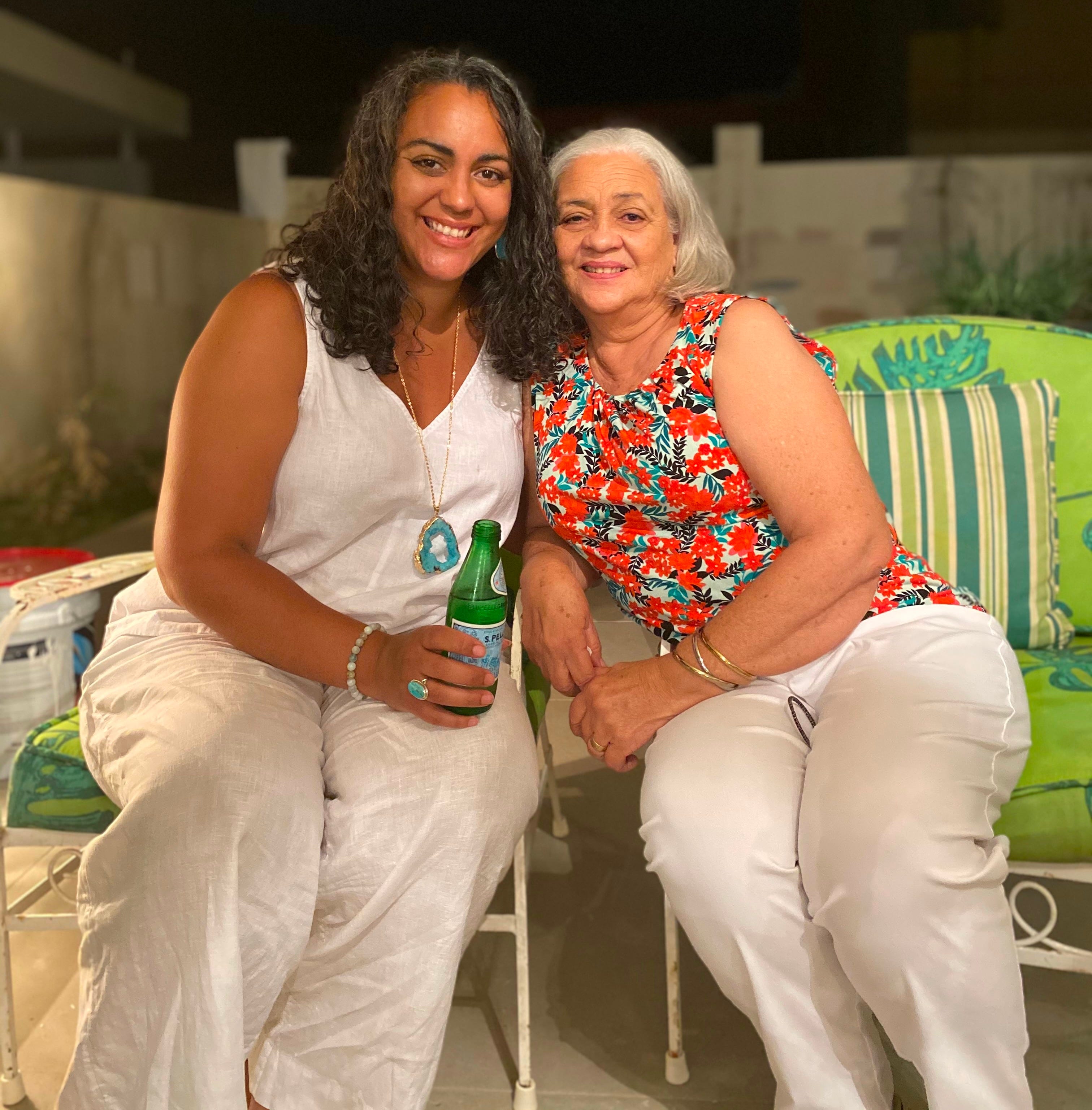
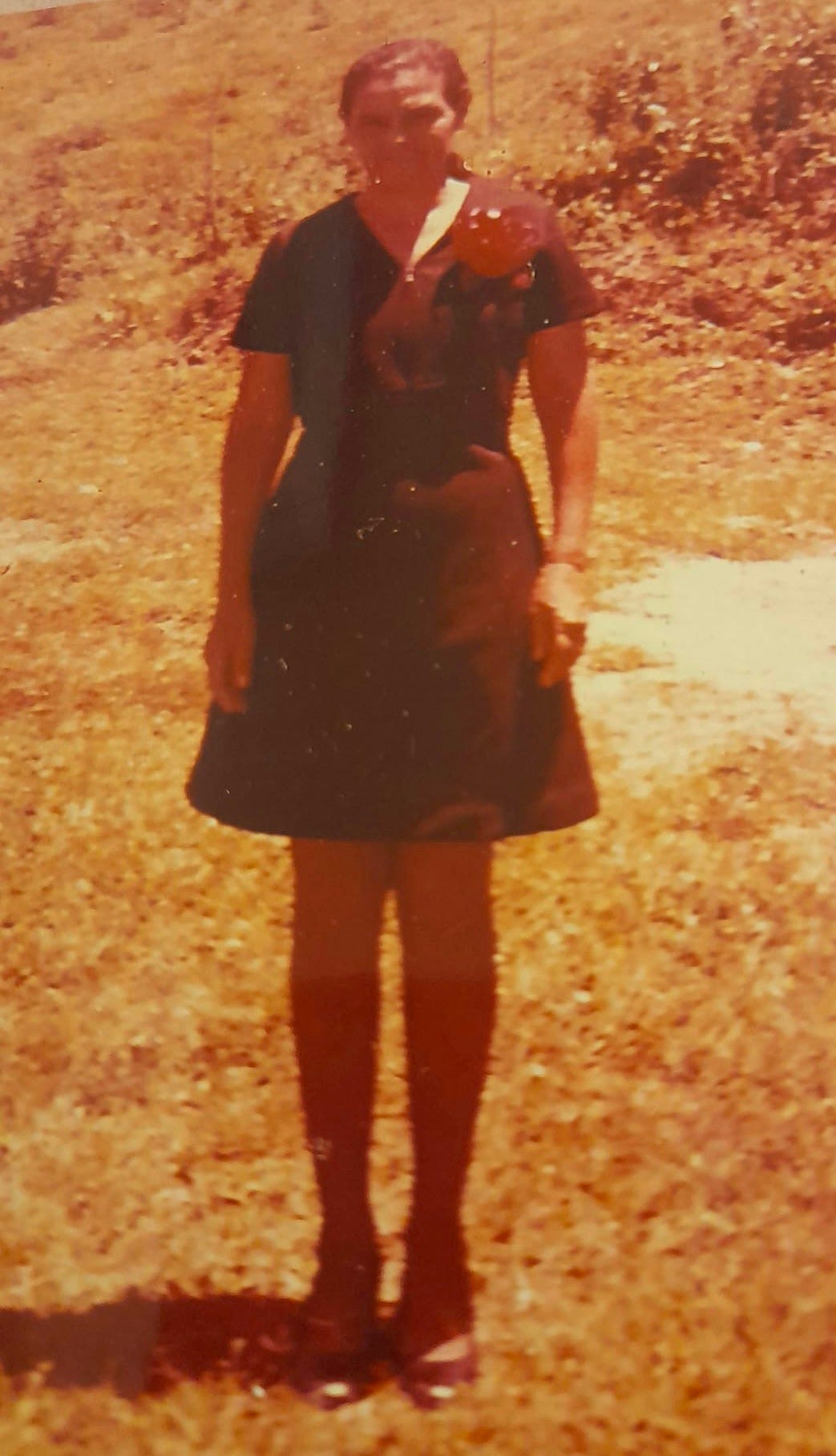
I feel gratitude for my grandmothers, for what they carried, for what they protected, for what they could not say out loud, for the way their choices still echo in my body.
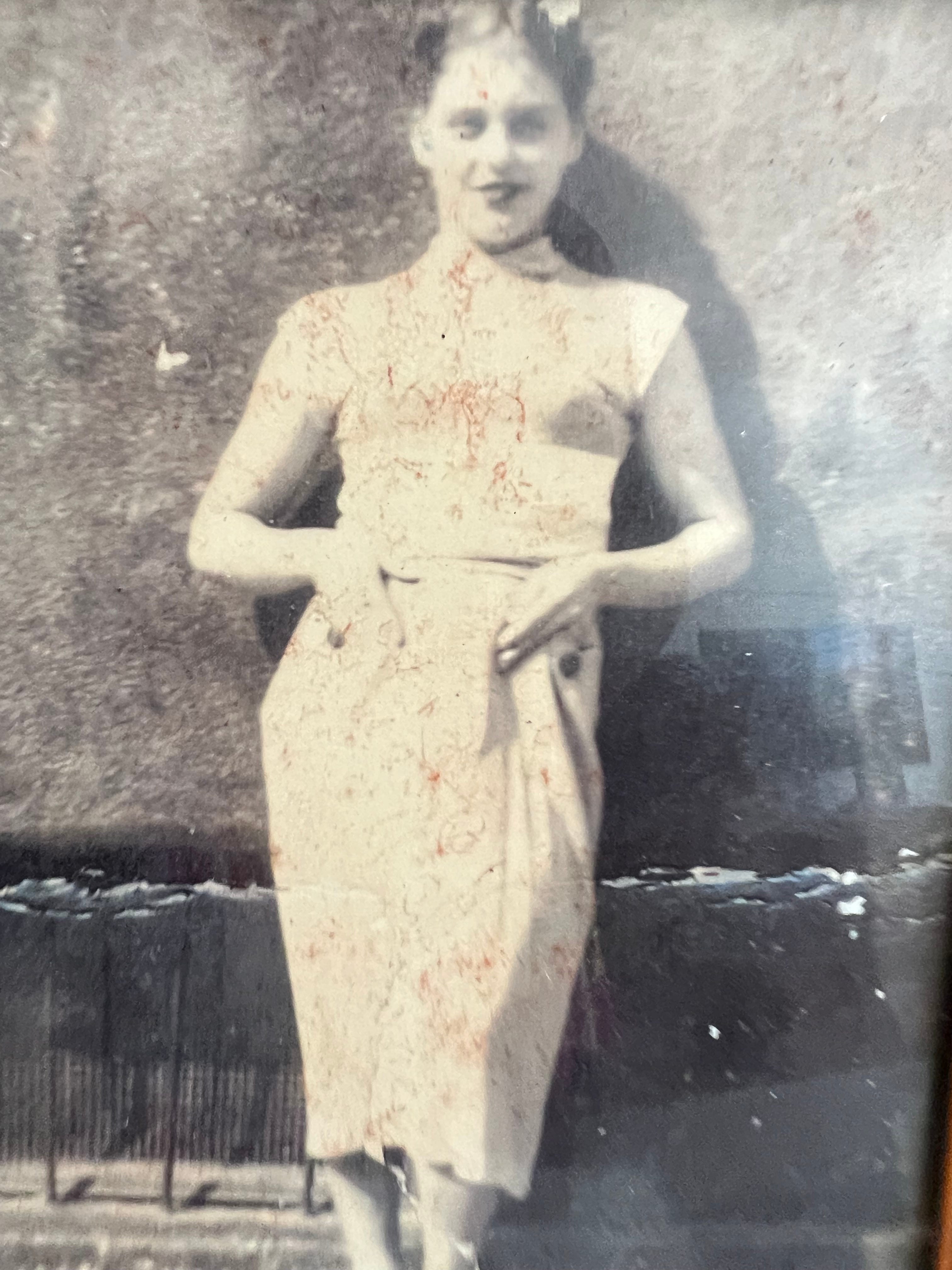
I feel gratitude for Titi Margó, whose name carries its own kind of warmth for me, whose place in my story feels like a blessing I can still touch.
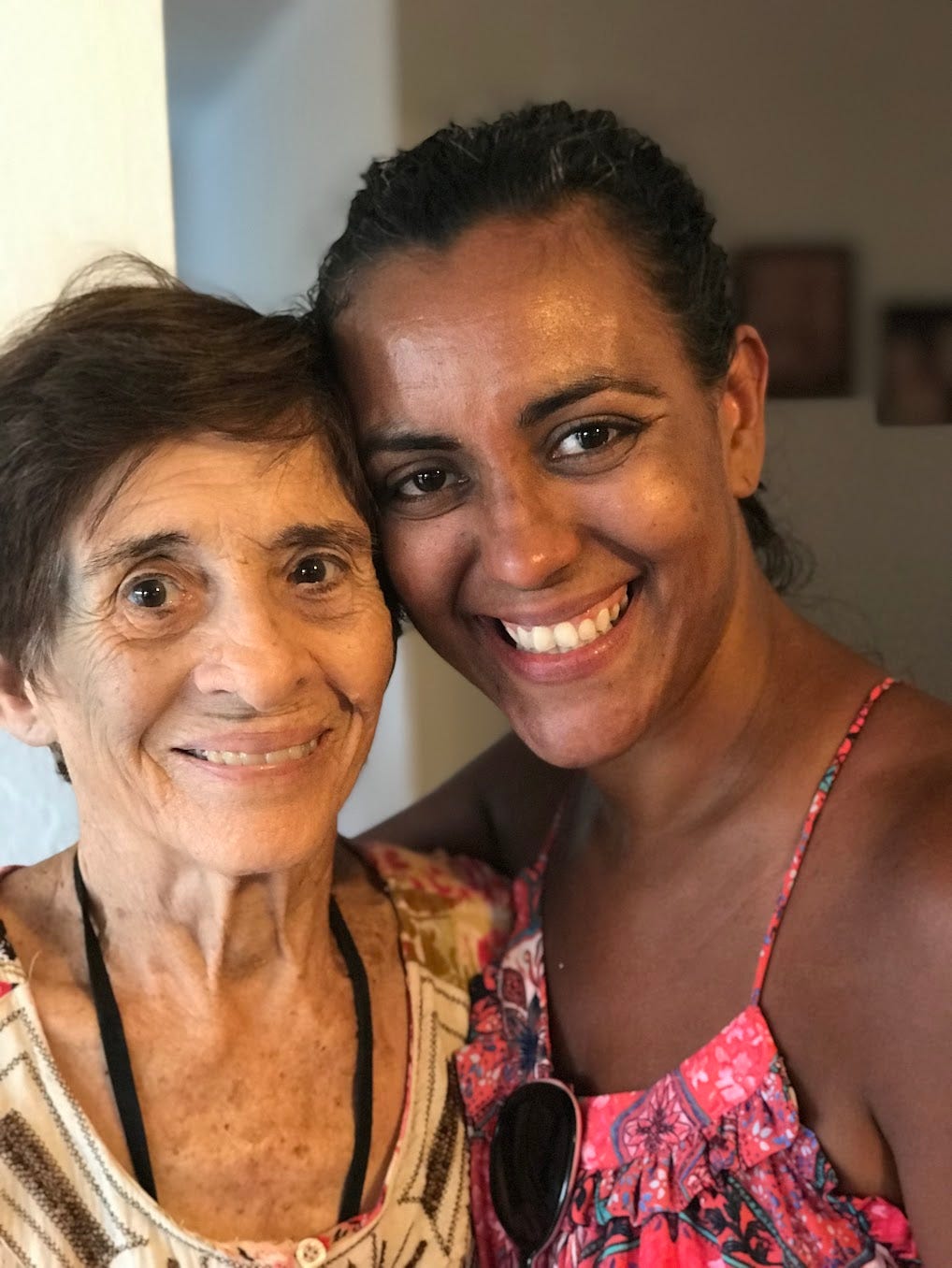
I hold gratitude for the line of ancestral grandmothers behind all of them, the women whose names I may not know, whose lives still live as a current under mine, whose strength shows up in me when I need a steadier spine.
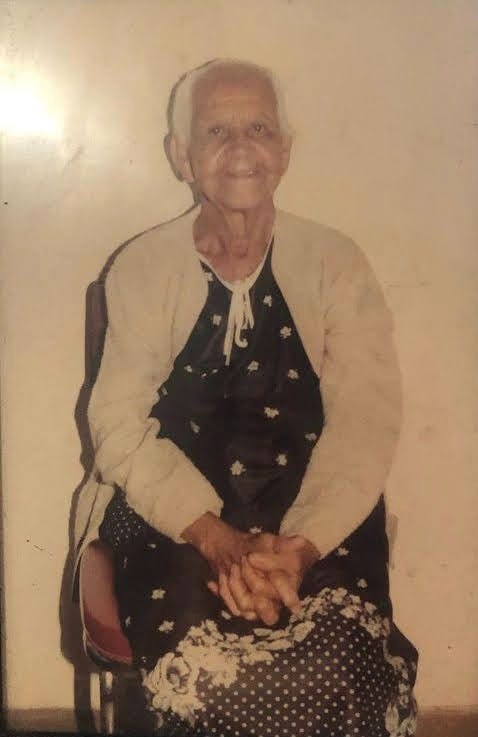
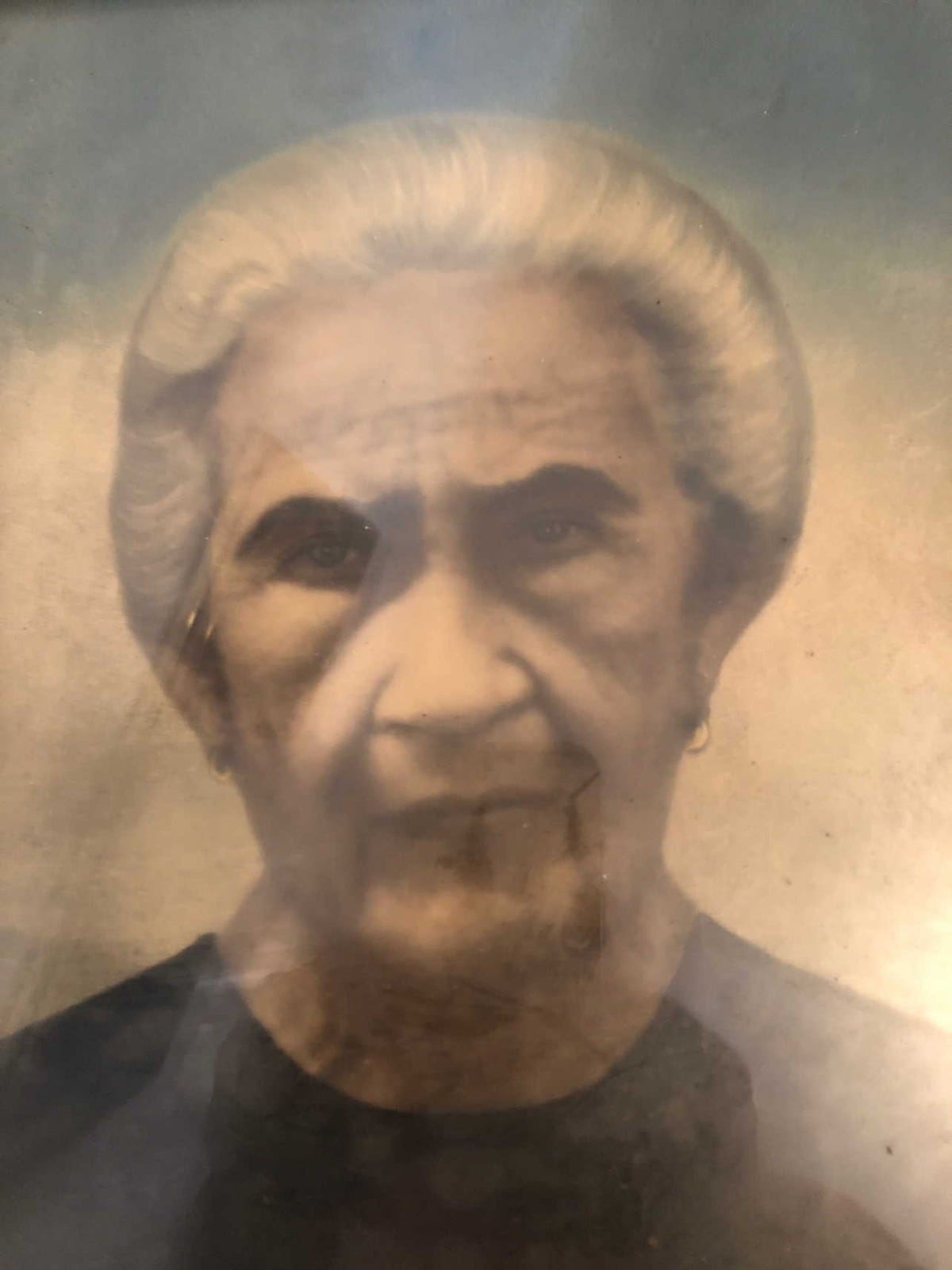
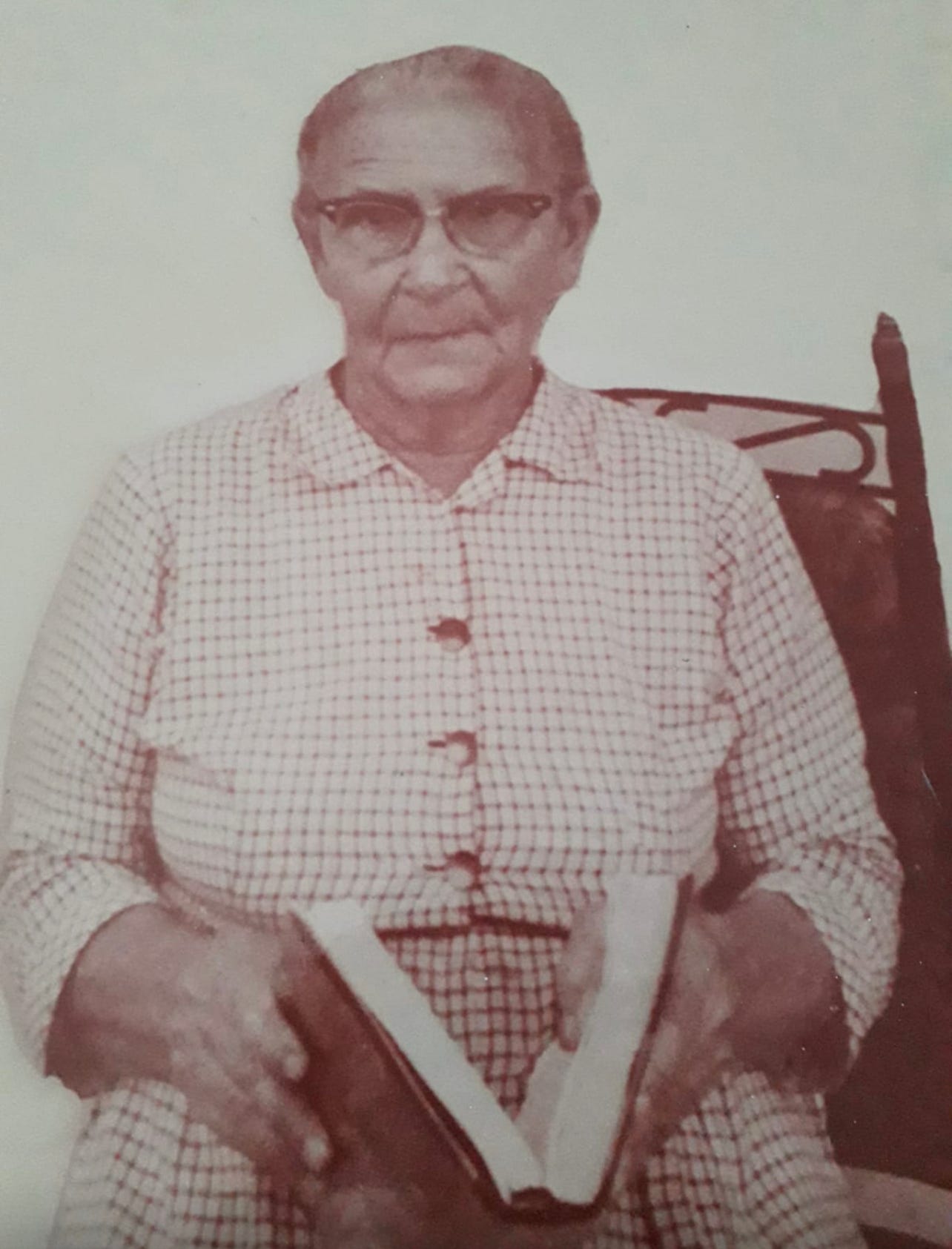
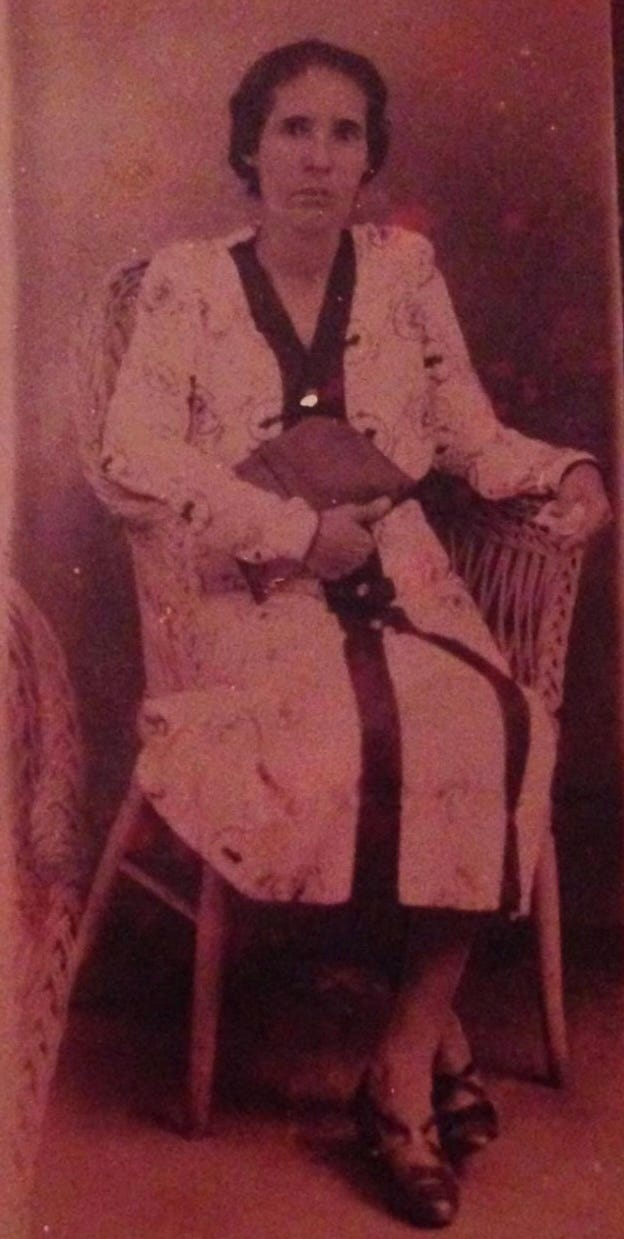
I feel gratitude for my daughters, for the way motherhood has expanded my understanding of women’s lives, and for the way they keep teaching me to live with more truth.


I feel gratitude for mi tía Migdalia, who modeled for me what it looks like to set a beautiful table and host with care, to make a home feel like an offering without making it a performance.
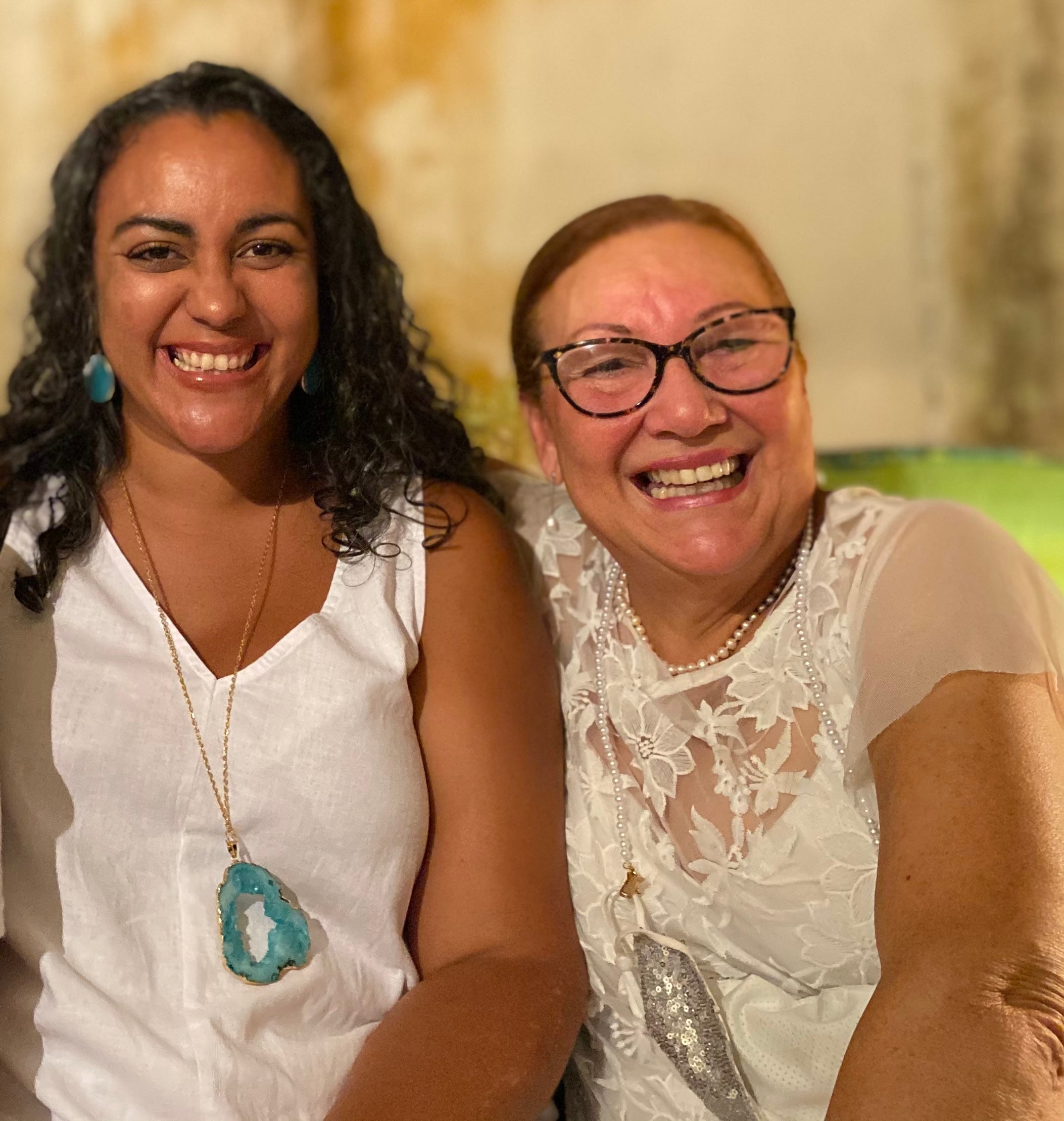
I feel gratitude for my friends back home in Puerto Rico, the ones who have known me since childhood, the ones whose friendship has survived seasons, distance, and change, the ones who keep a part of my history safe simply by remembering it with me.


I feel gratitude for the women of the Rose Dinners, the ones who have sat at my table and helped me remember what sisterhood can feel like when it is honest and mature. Chao has been part of that. Stefanie has been part of that. Alex has been part of that. Karen has been part of that. Carmen has been part of that. Khadija has been part of that. Their presence has mattered as a living circle where we, as women, can soften and still stay sovereign.


I feel gratitude for my mentors, for the women who offered guidance without trying to own me, for the ones who spoke to my becoming with respect.
I feel gratitude for friends who have stayed, friends who returned, friends who have made room for the version of me that is no longer interested in pleasing everyone.
When I speak about women’s liberation, I’m not speaking into empty air. I’m speaking with faces in my mind, voices in my memory, hands I have held, laughter I have shared, messages that arrived at the right moment. I’m speaking with love for the women who have walked beside me, and with reverence for the ones who walked so I could have choices. They are part of what makes Casa Eva more than an idea, because I have already lived what women can do for each other when the room is real.
Casa Eva as what I am building
Casa Eva is the house I am building inside the larger story of women. It is a future physical sanctuary I can already feel in my bones. It is also a practice that lives right now, in my home, in my writing, in my tables, in the choices I make about how I spend my time and who gets access to me.
When I imagine Casa Eva, I imagine women entering and feeling their breath deepen in their chest. Eating food that feels like care. Touching linen, ceramics, flowers, and feeling their senses come back online. I imagine women laughing without scanning the room for danger, and speaking about their lives with clarity, without needing to make themselves smaller so someone else can feel big.
Casa Eva is not a fantasy. It is a commitment. It is my way of honoring the women who taught me to walk through gates, whether they did it with speeches or with quiet courage. It is my way of honoring the Cosmic Mother who keeps showing up when I am tempted to abandon myself. It is my way of honoring my ancestors, whose lives were shaped by constraints I do not want to replicate.
In this season, my work is to keep walking. To keep building. To keep tending beauty as a form of truth. To keep centering women in the rooms I make, in the stories I tell, in the standards I set for my own life.
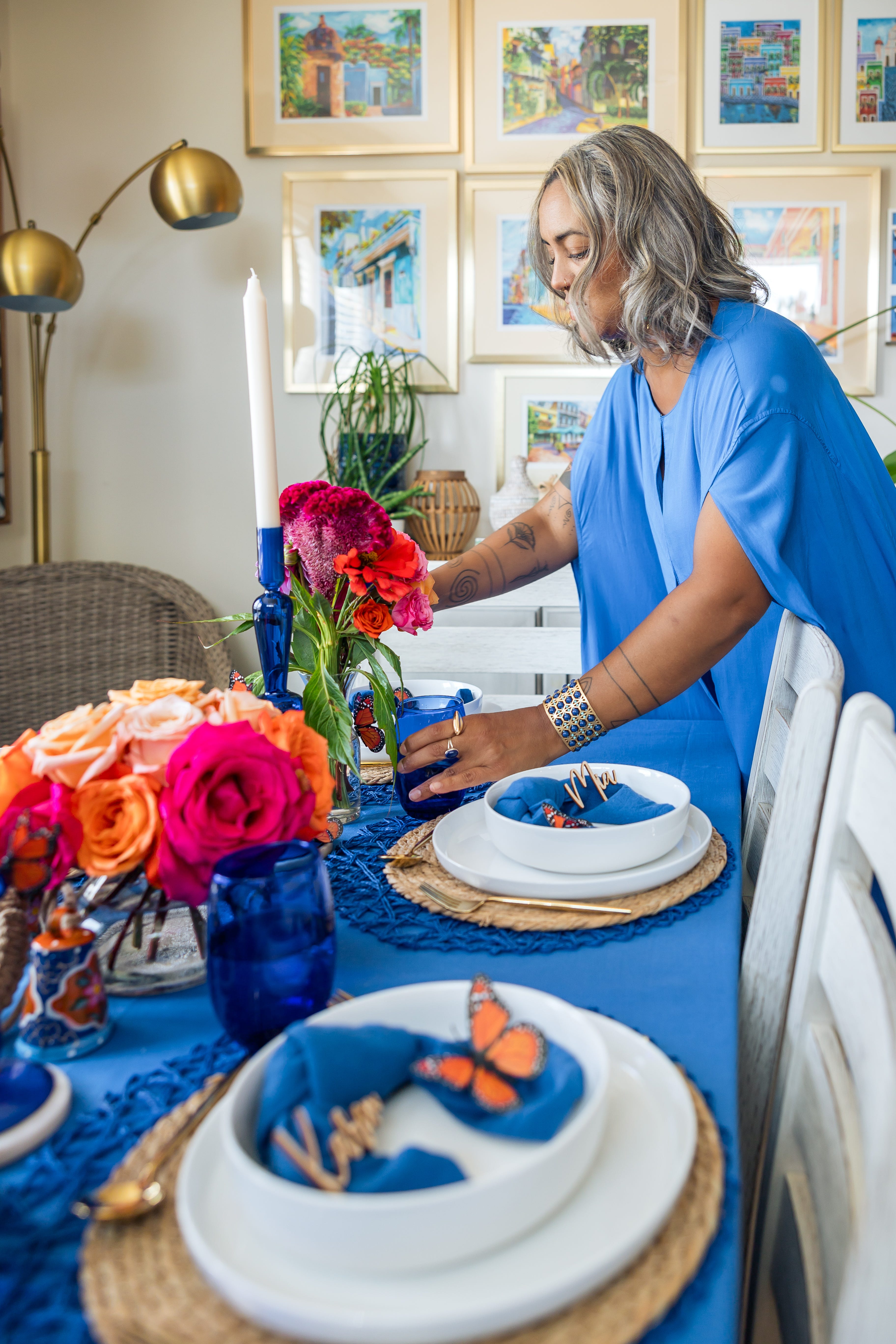
The gate we walk through is not a single event. It is a series of passages. Each passage asks for courage and honesty. And it asks us to remember that we are not alone.
Benediction
May the gate in front of you open with less struggle than the ones your motherline had to force with bare hands.
May your body be believed by you first.
May your anger become clean information rather than a fire you swallow.
May beauty return as nourishment, simple and available, the way sunlight returns to a room.
🌹
Un abrazo desde Casa Eva, ‘where beauty becomes ritual and ritual becomes home’.
Eva Glamaris
Reciprocity in Los Hilos de Eva
This thread lives inside my Second Bloom series, the season of writing where I am tracking midlife, beauty, sovereignty, and the sensuous self. It sits beside Rage in the Second Bloom and leans toward the essays on grief, discernment, release, and belonging that are still on their way. If you are somewhere in your own second bloom, I am glad you are in the room with me.
If this thread met you somewhere tender, come tell me what gate you are walking through. You can reply, comment, or share it with a woman who needs a steadier mirror right now. If you want to keep walking with me, subscribe to Los Hilos de Eva.
Your stories always linger in my mind.