
Rage in the Second Bloom
An hilo on erasure, silence, and the sacred work of a woman who will not disappear

🧵 From My Table
This morning I stood at the sink longer than I needed to. The water ran hot. My hands stayed under it as if heat could translate something my mouth did not want to shape into words yet. I watched the steam rise and felt the familiar tightening at the hinge of my jaw, the small hardening behind the ribs, the flare that arrives when the feminine is handled like an afterthought. I have learned to recognize this sensation as information. It carries a message delivered through muscle and breath. I used to rush past it and edit it into something more palatable. In this season of Second Bloom, I am letting it speak in its own register.
Today’s thread carries:
rage as witness to erasure, guardian of dignity, and returned to purpose through lived practice
The Lie About Contribution
In the terrain of separations and divorces, a particular kind of cruelty can slip in wearing the clothes of logic. It can arrive as a simple claim: you did not contribute enough. When that claim is tethered to money as the only measure, it becomes a tidy story with sharp edges. A tool. It turns the invisible into nothing. It rewrites years into a ledger and calls the rewriting truth.
For the past few months, I have lived inside that claim. It landed in a place that was already tender, and it carried a sting that reached beyond one person’s opinion. It touched an old agreement the world keeps trying to enforce: a woman’s value is proven through a narrow kind of production, while the labor that makes life livable is treated like scenery.
I raised my daughters. I tended a relationship, a home, a garden, and a dog. I carried the logistics that keep a family moving through ordinary days, through complicated seasons, through illness, and the quiet relentlessness of care. I worked too. And ran a business. My life was never idle. Still, that claim tried to erase the contribution that held the structure together. My body refused the rewrite. Heat rose fast, then settled into a steady burn that wanted recognition. It wanted truth without negotiation.
I want to name where I am with it today. The heat still arrives. I do not pretend it has vanished. I am not writing from the place of “healed” or “over it.” I am writing from a place of steadier ground. I know what I did. What it cost. I know what I carried. I am less interested in convincing someone who benefits from my diminishment. I am more interested in staying aligned with the truth I can live inside. That shift matters because it changes how rage moves through me.

This is where rage becomes holy for me. It arrives at the moment the feminine is being reduced into a caricature. It stands at the door when I am being asked to disappear. It tells me that something essential was mishandled.
Erasure Has an Architecture
Erasure has a personal face, and it also has an architecture that outlives any one relationship. Patriarchy runs on extraction. It depends on women giving more than they receive. It normalizes taking that rarely announces itself as violence because it is dressed up as tradition, common sense, family roles, religious virtue, the way things are.
This is how the feminine is exploited while the world insists it is being practical. Nurturing becomes expected, then unremarkable. The tracking, anticipating, smoothing, holding, remembering becomes assumed, then unnamed. The cost is absorbed by women’s bodies, women’s time, and women’s spirit. When the bill comes due, the system acts confused.
Rage rises from the place that recognizes the theft. It is the part of you that still knows your own value when the environment tries to train you out of it. It refuses to call depletion a virtue. It insists that dignity is not optional.

I think of the feminine as a living force that has been disciplined into silence, then blamed for the silence. When women speak with heat, the culture labels it instability. When women stay quiet, the culture calls it goodness. The containment remains.
Second Bloom asks me to stop participating in that containment. It asks me to trust the guard at the gate. She does not need to scream to be effective. She needs to be believed by the woman she protects.
Collective Proof, Public Forgetting
There are weeks when the wider world mirrors the same pattern I have lived in close-up. Stories surface again about powerful men, private harm, and the machinery that protected them. A wave of documents and names moves through public conversation, and the cycle begins. Attention flares. Jokes appear. Fatigue sets in. The culture searches for an exit from its own discomfort.
What strikes me is the choreography. Men remain legible as central characters. Women become blurred. Women become rumor. Women become “someone.” Even when the world is forced to look, it still tries to keep the feminine indistinct, as if clarity would be too costly.
This is part of why my anger feels ancestral. It rises for my own story, and it rises for the long history of women’s lives being used, then edited out. It rises for the way exploitation is treated as scandal instead of structure, then folded back into the systems that allowed it.
I do not need to recount details to know the shape of the harm. My body knows the pattern. It recognizes the familiar weight placed on women: prove it, endure it, keep it tidy, do not disrupt the room. It recognizes how patriarchy protects itself by exhausting our attention, by making outrage feel futile, and by turning the feminine into collateral.
There is another layer that lands in me when these stories circulate again. It is the way public discourse trains us to treat women’s pain as content. It turns exploitation into a spectacle, then asks women to be quiet about how much it costs to watch the cycle repeat. It pressures us to be “reasonable” while the evidence keeps arriving that reasonableness has never been the measure of safety.
My rage refuses to cooperate with forgetting. To let the harmed become a footnote, and let the story return to normal as if normal has ever been safe for women.
Religion as Training, Patriarchy as Doctrine
For many of us, patriarchy entered through religion, through teachings that sounded like holiness while they trained women into erasure. In my own life, I learned early how spiritual language can be used to make women smaller. “Goodness” became a leash. Obedience was framed as devotion. Silence was praised as maturity.

Religion can carry beauty and meaning, and it can function as control. It can sanctify hierarchy. It can present male authority as divine order. It can teach women to distrust their own knowing, especially when that knowing arrives with heat.
I am not interested in a theology lecture here. I am interested in how this training lives in the body long after the beliefs have been released. Even now, I can feel the reflex that wants to soften my truth, that wants to pre-apologize, that wants to keep the room comfortable at the expense of my clarity.
Second Bloom is where I stop calling that reflex wisdom. I am learning to name anger as a sacred signal instead of a spiritual problem to be solved. I am learning to tell the truth without asking permission from the systems that benefited from my silence.
When the feminine has been exploited and erased, rage can arrive as restoration. It is the psyche returning to wholeness. It is the body refusing self-abandonment. It is the soul saying: I am here.
The Body as Chapel
My anger does not live only in thought. It arrives in tissue. It speaks through posture. It tightens the throat when I have swallowed too much. It shows up in the way my shoulders lift, as if my body is trying to brace for a blow that is not coming from the present moment. Sometimes it comes with a clean surge, like a bell ringing. Other times, it comes with fatigue and a heavy silence that makes everything feel slower.
What has helped me most in Second Bloom is trusting that the body will tell the truth even when the mind is still negotiating with old programming. The body does not care about politeness. The body cares about safety, dignity, coherence.
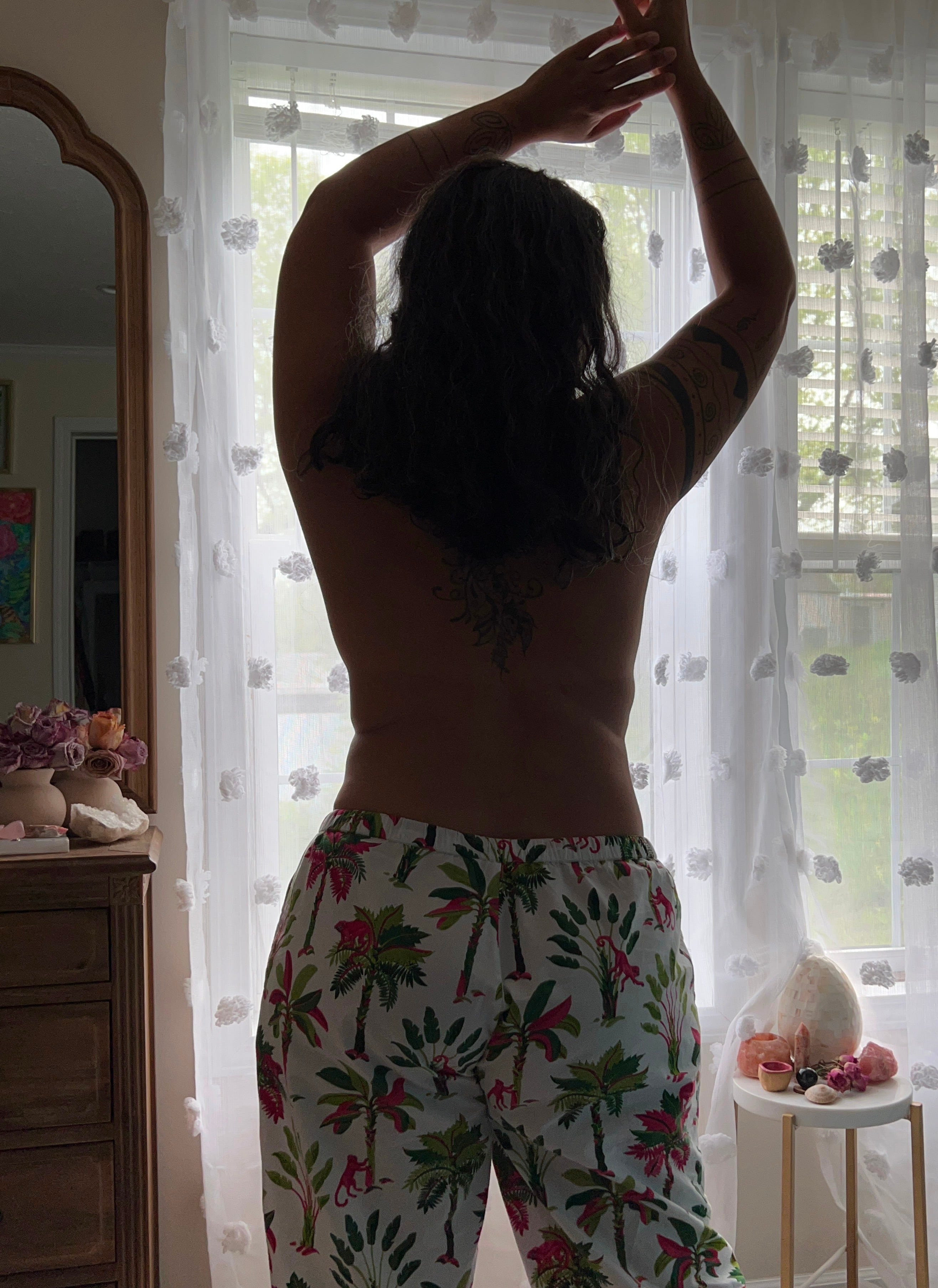
Movement has been one of my languages for this. Stretching, dancing, walking until my breath changes, letting my hips loosen their grip on the story, letting my spine remember that it can be upright without being rigid. There are days when anger needs a rhythm. It needs to be shaken out through the arms, the legs, and a slow roll of the neck that says, I will not stay clenched around this.
Tears are part of the same intelligence. Tears do not cancel rage. Tears carry it into softness without dissolving its message. When I let myself cry, I often discover what anger has been protecting. I find the grief beneath the heat. I find the tenderness that rage has been guarding like a mother at the edge of a bed. I let the tears come, and I do not treat them as weakness. I treat them as the water that keeps the fire from turning destructive.
This is one of the ways I know rage is sacred. It is not only heat. It is devotion to what matters. It is the body refusing to collaborate with erasure.
Alchemy in the House
Rage is not meant to scorch everything it touches. It is meant to protect what is essential. It is meant to move toward clean action. It can become discernment you can live with.
I think of alchemy as transforming heat into something usable. Rage carries heat and direction. When I treat it as sacred, I stop dumping it into places that cannot hold it, and I stop swallowing it until it turns poisonous. I give it a vessel. I let it deliver its message. I turn that message into something my life can enact.
What I’m offering here are possibilities, invitations you can try on. I am not presenting them as rules. I am sharing ways of relating to rage that honor the body, honor the home, honor the earth. If something doesn’t fit your spirit, leave it. If something sparks relief, keep it.
A Salt Bowl for Clean Heat
If you want a simple way to meet anger without spiraling, you could begin with water. Warm water in a bowl. A pinch of salt. Hands submerged. One sentence spoken aloud that names what you refuse to carry anymore. The point is not to banish anger. The point is to let the body hear you telling the truth. You could pour the water away with intention when you’re done.
A Boundary Written in Ink
If rage keeps circling, it may be asking for specificity. You could choose one place where your labor has been taken for granted, then write a boundary that changes your behavior. The boundary is an agreement with yourself. It may look small on paper. In practice, it rearranges the house. It teaches the world how to treat you. Patriarchy relies on women doing everything automatically. A clear boundary interrupts that reliance.
Composting the Excess
Some of what rage carries is too raw for public speech. You could give that part a private page. Write without editing. Let the truth be unpretty. Then tear the paper. If the ground is available, bury it. If compost is available, feed it. If neither is possible, soak the torn pieces in water and discard them. The gesture tells the body that the excess can be returned to the earth.
A Candle Vow at the Table
If you want a ritual that feels like it belongs to the home, you could light a candle and sit at the table as if you were meeting yourself with respect. One hand on the sternum. Breath slowed enough to hear what you actually mean. Speak one refusal and one commitment you can keep in the coming days. Extinguish the candle when the vow is spoken. Let action begin in the hours that follow.
Ancestral Listening Without Costume
You do not need to borrow someone else’s ceremonies to be in relationship with your ancestors. You could speak to the women in your line in plain language. Ask what they had to swallow to survive. Ask where their anger went. Ask what it protected. Ask what it cost. Then ask the healed ones what you are allowed to do now that they were not allowed to do then. Sometimes the answer arrives as a thought. Sometimes it arrives as bodily easing, and it arrives as an instruction to rest, to speak, to stop giving away time.
Gardening as Rage Work
Gardening has been one of my most honest teachers about anger. The earth is not sentimental. It responds to what is real. If a plant is crowded, it suffers. If soil is depleted, it cannot pretend otherwise. If something is dead, it needs to be cleared so life can return.
If you work with plants, you already know this language. Pulling weeds can be a kind of prayer that doesn’t require prettiness. Cutting back what has overgrown can feel like a boundary made visible. Turning soil can take what is compacted and give it air. There is also the patience of it. The earth does not rush to perform recovery. It asks for steady tending.
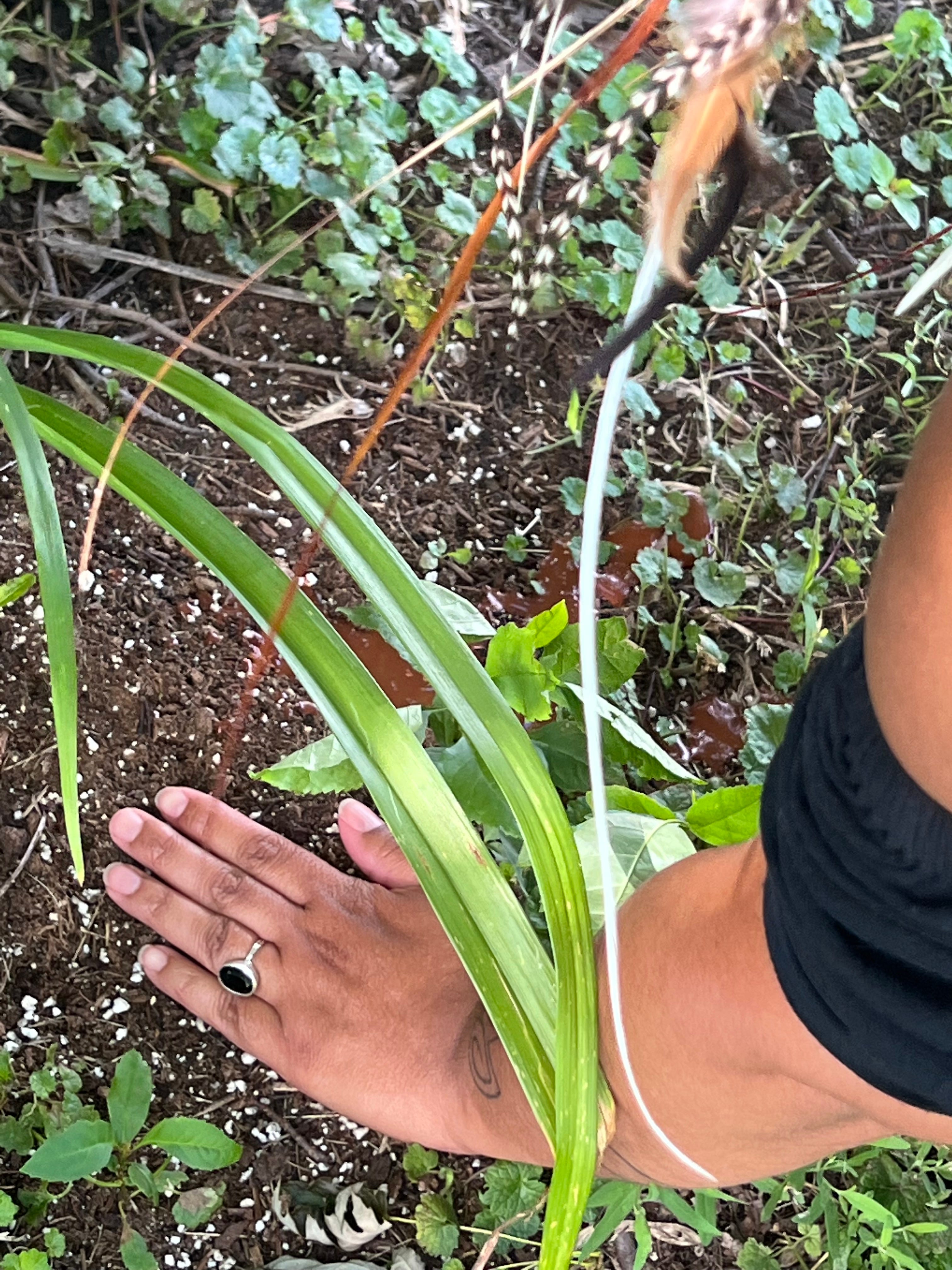
If anger feels like too much, you could take it to the garden. You could move it through your hands. You could let the body feel its own strength as you dig, prune, carry, water. You could speak a single sentence to the soil, then let the soil hold what you cannot keep holding alone. This is not about making rage “nice.” It is about giving rage a place to go that honors its truth.
Where I Am Today
I want to tie this thread back to the trigger that brought it to the surface. The claim about contribution is not only a personal insult. It is a doorway into the wider architecture of erasure. It is a small version of the same cultural logic that turns women into background, then calls the background empty.
Today, I am less reactive to the claim itself. I am more awake to what it represents. I can feel anger rise, and I can stay present with it. I can let it move through the body. I can cry when grief is the true undercurrent. I can dance when the body needs release. I can write a boundary and keep it. I can take my hands to the earth and remember that life responds to what is tended.
This is what Second Bloom is teaching me. Rage is not the opposite of love. Rage is one of love’s guardians. It protects the part of me that knows I matter. The part of me that refuses to be erased. It protects the feminine as a living force. Not a decorative concept.
Benediction
May you trust the heat when it arrives with truth.
May your body become a place you listen to again.
May your tears carry what needs softening.
May your boundaries keep you.
May the earth receive what you are done carrying.
🌹
Un abrazo desde Casa Eva, ‘where beauty becomes ritual and ritual becomes home’.
Eva Glamaris
Reciprocity in Los Hilos de Eva
This thread lives inside my Second Bloom series, the season of writing where I am tracking midlife, beauty, sovereignty, and the sensuous self. It sits beside The Nervous System of Beauty and leans toward the essays on grief, discernment, release, and belonging that are still on their way. If you are somewhere in your own second bloom, I am glad you are in the room with me.
If this hilo met you, I would love to hear one image from your week that shows anger arriving with truth. A moment at the sink. A sentence you could not unhear. A place in your body that said enough. You do not need to tell the whole story. Give me the image, and let it be honest.
Paid subscriptions are now open for readers who want more time at the table and two additional threads each month in the second and fourth weeks.